


Leather is one of the oldest and most durable materials used by humans. From luxury handbags to shoes, belts, and furniture, leather is everywhere. But many people don’t know how leather is actually made.
In this article, we will explain the leather manufacturing process step by step, from raw animal hide to the beautiful finished leather used in fashion and craftsmanship.
Where Leather Comes From
Leather is made from animal hides and skins, most commonly from cows. Other animals used in leather production include goats, sheep, pigs, and sometimes exotic animals.
These hides are by-products of the meat industry, meaning they would otherwise go to waste. The leather industry transforms them into a durable and valuable material.
Before leather can be used, the raw hide must go through several treatments to prevent decomposition and make it strong and flexible.
.jpg?width=1600&height=1071&name=history%20of%20natural%20leather%20(2).jpg)
Step 1: Preparing the Raw Hide
The leather-making process begins with raw animal hides that arrive at the tannery.
First, the hides are cleaned and preserved. This usually involves:
- Removing dirt and blood
- Salting the hides to prevent decay
- Storing them before processing
Once they reach the tannery, the hides are soaked in water to remove the salt and restore their natural moisture.
This step is called soaking.
Step 2: Removing Hair and Flesh
Next, the hides go through a process called liming. During this stage:
- Hair is removed from the hide
- Remaining fat and flesh are cleaned off
- The fibers of the hide are opened up
This prepares the skin so that tanning agents can penetrate deeply and evenly. Machines are often used to make this process faster and more precise.
Step 3: Tanning the Leather
The most important step in leather production is tanning.
Tanning transforms raw animal skin into leather that will not rot or decompose. There are two common tanning methods: Vegetable Tanning and Chrome Tanning
Vegetable Tanning
Vegetable tanning uses natural tannins extracted from tree bark and plants.
Characteristics of vegetable-tanned leather:
- Natural look
- Firm structure
- Develops a beautiful patina over time
This type of leather is popular for belts, saddles, and leathercraft.
Chrome Tanning
Chrome tanning uses chromium salts to stabilize the hide. Characteristics of chrome-tanned leather:
- Softer and more flexible
- Faster production process
- Widely used in fashion and upholstery
About 80–90% of modern leather is chrome tanned because it is efficient and versatile.
Step 4: Splitting and Shaving
After tanning, the leather is split into layers depending on thickness. The top layer is called top grain leather, which is the strongest and highest quality.
The leather is then shaved to achieve an even thickness, depending on the final product requirements. For example:
- Thin leather for gloves
- Medium thickness for handbags
- Thick leather for belts
Step 5: Dyeing and Coloring
Once the leather structure is ready, it can be dyed and colored. Leather can be colored in several ways:
- Drum dyeing – color penetrates deeply into the leather
- Surface finishing – pigments are applied to the surface
This stage gives leather its final color and appearance. For leather goods like handbags and shoes, manufacturers may also apply edge paint to seal and protect the leather edges.
Step 6: Finishing the Leather
The final step is called finishing. During finishing, the leather receives treatments that improve:
- Appearance
- Durability
- Water resistance
- Texture
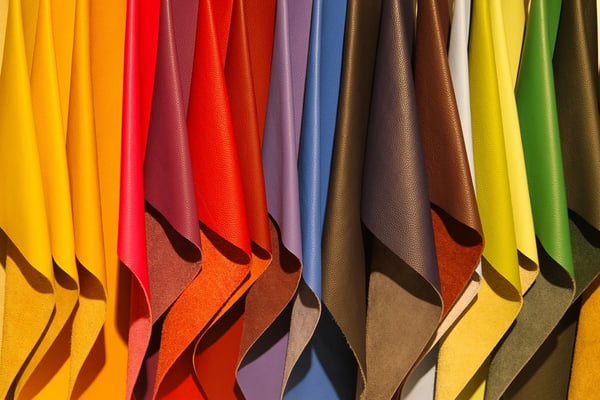
Different finishes can create different looks, such as:
- Smooth leather
- Embossed leather
- Matte or glossy finishes
At this stage, the leather is ready to be used for products like bags, shoes, furniture, and leather accessories.
Why Leather Is Such a Durable Material
Leather is valued because it is:
- Strong
- Flexible
- Long-lasting
- Repairable
- Sustainable when properly sourced
High-quality leather products can last decades, especially when they are well maintained. This is why leather remains one of the most popular materials in fashion, luxury goods, and craftsmanship.
The process of making leather is complex and involves many steps, from raw hide preparation to tanning, dyeing, and finishing.
Each stage plays an important role in creating the leather we see in everyday products.
Understanding how leather is made helps us appreciate the craftsmanship behind leather goods and the technology used in modern leather production.
Wanna learn more about leather?

